November 4, 2026
Restoring your home involves more than improving its appearance. Understanding the importance of restoration services is essential for maintaining structural integrity, protecting property value, and creating a comfortable living environment. Whether your home experiences water damage, fire, mold growth, or severe weather, professional intervention can prevent minor problems from becoming expensive repairs. Knowing which solutions are available helps homeowners make informed decisions about protecting their investments.
Understanding the Scope of Home Restoration
Home restoration involves returning damaged or deteriorated areas to their original condition. This process may include repairing structural components, replacing compromised materials, and preserving architectural details. Unlike remodeling, which changes a property's layout or appearance, restoration generally focuses on recovering its previous functionality and condition.
Homeowners frequently confuse restoration, renovation, and remodeling. Renovation typically involves updating existing spaces with modern finishes, appliances, or materials. Remodeling introduces more substantial changes, such as removing walls or modifying floor plans. Understanding these differences helps property owners establish realistic budgets and project expectations.
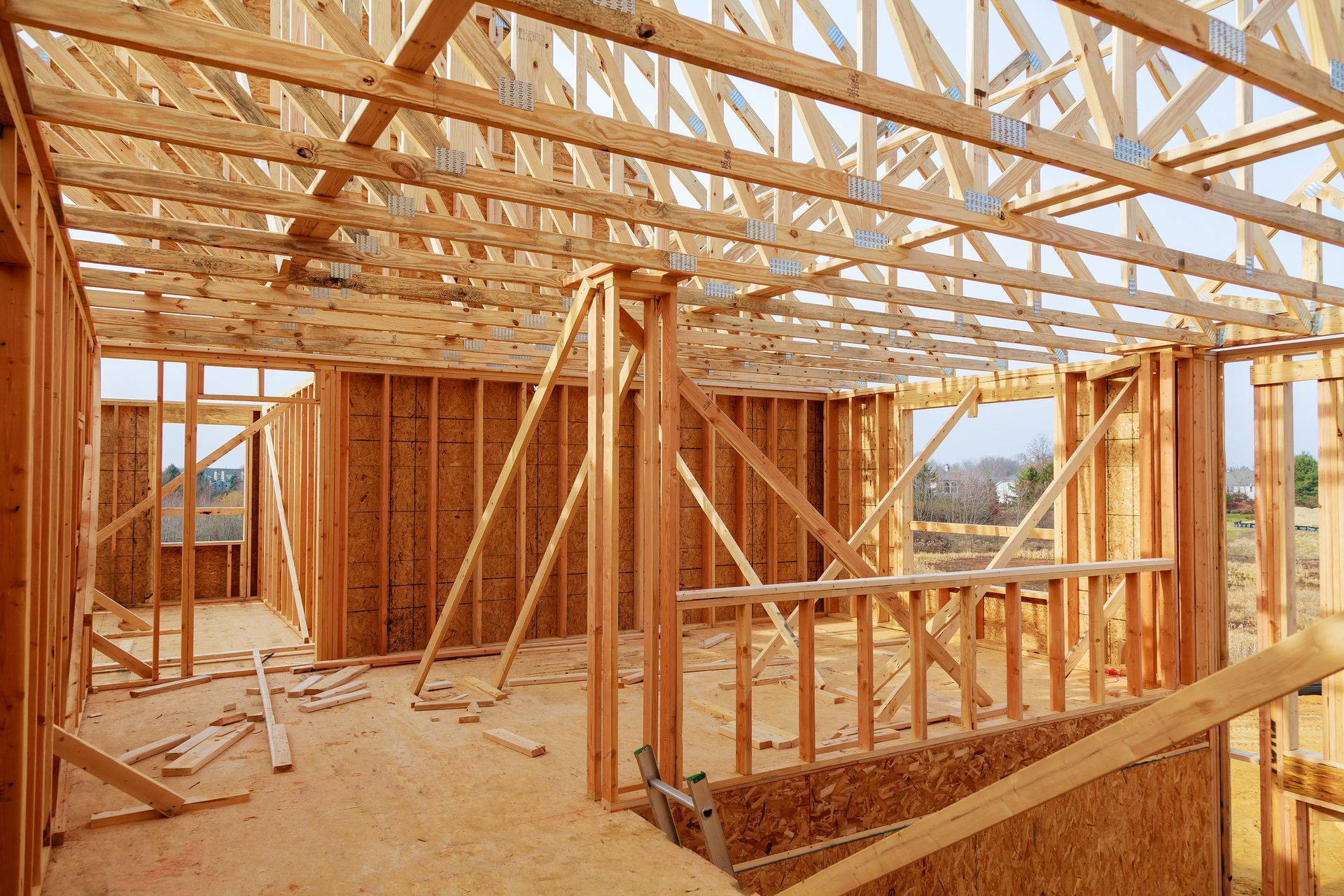
Common restoration services include water extraction, fire damage cleanup, mold remediation, storm damage repairs, and structural rehabilitation. Each requires specialized equipment, appropriate safety precautions, and professional expertise. Selecting experienced contractors ensures that repairs address underlying damage rather than simply concealing visible problems.
The Importance of Professional Damage Assessments
Before beginning repairs, professionals should evaluate the extent of the damage. This assessment identifies affected materials, potential safety hazards, and areas requiring immediate attention. Moisture meters, thermal imaging equipment, and structural inspections can reveal problems that homeowners might otherwise overlook.
A comprehensive assessment also helps determine which materials can be restored and which require replacement. Professionals can develop repair plans that prioritize safety, efficiency, and cost management. Detailed documentation may also support insurance claims by establishing the condition of affected areas.
Building codes and local regulations influence restoration projects. Depending on the damage, permits, inspections, and specialized contractors may be necessary. Following applicable requirements helps homeowners avoid additional expenses, delays, and potential safety concerns.
Water Damage Restoration and Moisture Control
Water damage can result from burst pipes, leaking appliances, roof deterioration, flooding, or severe storms. Even relatively small leaks can damage drywall, insulation, flooring, and wooden framing when left untreated. Excess moisture also creates conditions that encourage mold growth and material deterioration.
Professional restoration services address water damage through extraction, controlled drying, dehumidification, and moisture monitoring. Specialized equipment removes standing water and helps dry materials that cannot be adequately treated using household fans or cleaning supplies. Technicians also identify the original moisture source to reduce the likelihood of recurring damage.
Homeowners should respond quickly when discovering water intrusion. If safe, stop the water source, avoid affected electrical equipment, and move valuable belongings away from moisture. Never enter standing water near energized electrical systems. Professional assistance is particularly important when flooding involves sewage or potentially contaminated water.
Preventing Future Water Damage
Preventive maintenance plays an important role in protecting homes against moisture-related deterioration. Regularly inspecting plumbing connections, roofing materials, gutters, and exterior drainage systems can reveal vulnerabilities before substantial damage occurs. Addressing small leaks promptly may prevent extensive structural repairs.
Water detection sensors provide additional protection by alerting homeowners to unexpected moisture. Sump pumps, appropriate landscaping slopes, and properly maintained drainage systems can also help reduce basement flooding risks.
Choosing moisture-resistant building materials may improve durability in vulnerable areas. For example, certain vinyl flooring products offer practical water resistance, although their performance depends on construction and installation. Combining durable materials with consistent maintenance supports long-term property protection.
Fire and Smoke Damage Restoration
Residential fires can cause extensive structural damage while leaving behind hazardous smoke particles, soot, and persistent odors. Heat may weaken framing materials, damage electrical systems, and compromise insulation. Even rooms untouched by flames can experience contamination from smoke traveling throughout the property.
Professional restoration services help homeowners recover by removing debris, cleaning affected surfaces, addressing smoke odors, and coordinating necessary repairs. Emergency board-up procedures may also protect damaged windows, doors, and roof openings against weather exposure and unauthorized entry.
Smoke residue requires specialized cleaning techniques because improper handling can spread contamination or permanently stain materials. Professionals may use HEPA filtration, controlled cleaning methods, and appropriate deodorization equipment. Some odor treatments require temporary evacuation and strict safety procedures.
Before rebuilding, qualified specialists should evaluate structural components, electrical wiring, and mechanical systems. Damaged materials must be repaired or replaced according to applicable building standards. The reconstruction process also provides opportunities to improve smoke detection, fire resistance, and overall household safety.
Mold Remediation and Indoor Air Quality
Mold commonly develops in damp environments, particularly bathrooms, basements, crawl spaces, and areas affected by previous leaks. Visible discoloration, musty odors, and recurring condensation may indicate excessive moisture or fungal growth. Hidden contamination can also develop behind walls, beneath carpeting, and around plumbing fixtures.
Professional mold remediation begins with identifying and correcting the moisture source. Specialists establish containment areas when necessary, remove contaminated materials, and clean salvageable surfaces using appropriate procedures. HEPA filtration and controlled removal techniques help limit the spread of airborne particles during remediation.
Mold exposure can cause allergic reactions, respiratory irritation, and worsening asthma symptoms in susceptible individuals. Addressing moisture problems and removing contamination helps improve indoor environmental conditions.
Preventive strategies include maintaining adequate ventilation, repairing leaks, and controlling indoor humidity. Homeowners should also inspect moisture-prone areas regularly, particularly following heavy rainfall or plumbing emergencies.
Storm Damage Restoration and Structural Protection
Severe weather can damage roofing systems, siding, windows, gutters, and structural components. High winds may loosen roofing materials, while hail can damage exterior surfaces. Heavy rainfall may introduce moisture through openings created during storms, increasing the risk of secondary damage.
Professional restoration services can include emergency tarping, debris removal, structural stabilization, and repairs to affected building materials. Contractors assess visible deterioration while investigating less obvious problems, including damaged flashing, compromised insulation, and concealed water infiltration.
Homeowners should avoid climbing damaged roofs or approaching fallen electrical lines after storms. Instead, documenting damage from a safe location and contacting qualified professionals can support an organized recovery process.
Preventive maintenance also strengthens storm preparedness. Keeping gutters clear, maintaining trees near buildings, and repairing loose exterior materials can reduce certain weather-related risks. Routine inspections help identify weaknesses before the next severe weather event.
Restoring Flooring, Walls, and Interior Features
Interior surfaces frequently experience damage from moisture, smoke, impact, and ordinary deterioration. Hardwood flooring may warp after prolonged water exposure, while drywall can become weakened or stained. Cabinets, trim, and decorative architectural features may also require specialized attention.
Restoration professionals determine whether damaged materials can be repaired or must be replaced. Hardwood floors may benefit from controlled drying, refinishing, or selective board replacement, depending on their condition. Damaged drywall and insulation often require removal when contamination or structural deterioration is significant.
Preserving original materials can help maintain a home's character while reducing unnecessary replacement costs. Historic properties may require specialized craftsmanship to reproduce decorative details and finishes. Careful material selection ensures repaired areas complement surrounding architectural features.
Choosing Qualified Restoration Professionals
Selecting experienced contractors is essential for achieving reliable results. Homeowners should research professional qualifications, insurance coverage, customer reviews, and relevant industry certifications. Contractors should also explain their assessment procedures, project timelines, and proposed repair methods.
When comparing restoration services, request detailed estimates outlining labor, materials, equipment, and potential additional expenses. Clear communication helps prevent misunderstandings and establishes realistic expectations throughout the project.
Investing in professional restoration services helps protect structural integrity, preserve property value, and maintain a healthier living environment. By responding promptly to damage and prioritizing preventive maintenance, homeowners can reduce unnecessary expenses and extend the useful life of their properties. A proactive approach provides greater confidence that their homes will remain safe, functional, and comfortable for years to come. Contact E&E Independent Contractor Inc today and learn more about our restoration services.